Delhi-NCR Air Quality Remains Poor to Very Poor Despite GRAP-3 Restrictions; AQI Crosses 300 in Delhi
Air pollution continues to affect Delhi-NCR residents despite the implementation of Stage 3 restrictions under the Graded Response Action Plan (GRAP-3). Delhi recorded an AQI of 303 at Anand Vihar, while Gurugram registered 295 and Noida reported 276, highlighting persistent pollution concerns across the region.
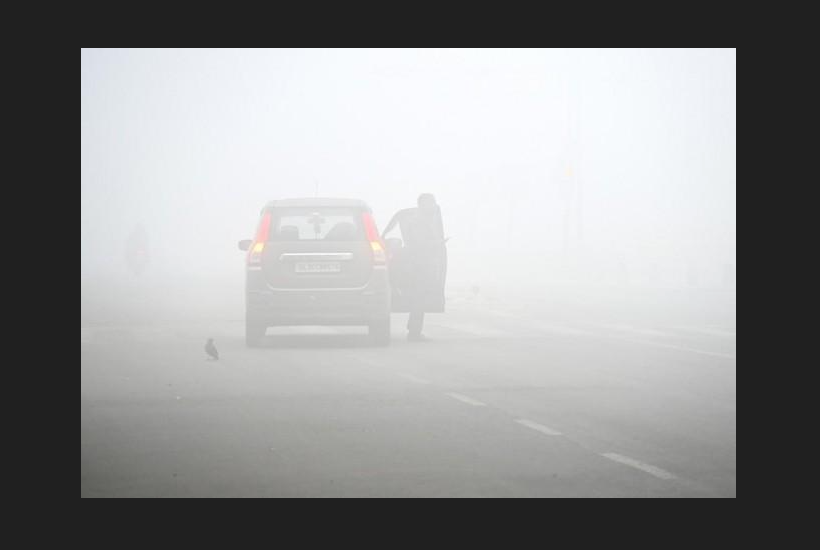
Air quality across the National Capital Region (NCR) continues to remain a major concern, with Delhi, Noida and Gurugram recording poor to very poor pollution levels on Wednesday morning. Despite restrictions introduced under GRAP-3, several monitoring stations continue to report elevated Air Quality Index (AQI) readings, raising concerns about the health risks faced by residents.
According to data shared by the Central Pollution Control Board (CPCB) at 6 am, Delhi's Anand Vihar monitoring station recorded an AQI of 303. Meanwhile, Gurugram registered an AQI of 295, while Noida recorded 276.
The latest readings indicate that pollution remains widespread across the NCR, with significant differences between individual monitoring locations.
Delhi-NCR AQI Today: City-Wise Air Quality Updates
Air quality monitoring stations across Delhi and neighbouring cities have reported varying pollution levels, reflecting the impact of traffic emissions, construction dust, industrial activities and local weather conditions.
| Location | AQI | Air Quality Category |
| Delhi – Anand Vihar | 303 | Very Poor |
| Gurugram | 295 | Poor |
| Noida | 276 | Poor |
| India Gate, Delhi | 242 | Poor |
Note: Readings are reproduced from the supplied report. Individual station readings may differ from citywide averages.
Delhi: Anand Vihar Records AQI of 303
Delhi continues to experience significant pollution, with Anand Vihar recording an AQI of 303, placing it in the very poor category. In comparison, the India Gate monitoring area recorded a relatively lower AQI of 242. The difference highlights how pollution levels can vary considerably across the national capital.
High traffic density, vehicle emissions, road dust and nearby industrial activities are among the factors contributing to deteriorating air quality in different parts of Delhi.
Gurugram: AQI Reaches 295
Gurugram recorded an AQI of 295, indicating poor air quality and continued exposure concerns for residents. Traffic congestion, construction activities, road dust and emissions from commercial and industrial areas can contribute to pollution levels across the city.
Noida: AQI Stands at 276
Noida reported an AQI of 276, placing the city in the poor air quality category. Residential and commercial areas continue to face pollution challenges, with vehicular emissions, construction dust and industrial activity contributing to the overall pollution burden.
GRAP-3 Restrictions Continue Across Delhi-NCR
The Commission for Air Quality Management (CAQM) oversees the implementation of the Graded Response Action Plan (GRAP) to address rising pollution levels across Delhi-NCR. GRAP is a set of emergency pollution-control measures designed to be implemented in different stages depending on air quality conditions and forecasts.
Stage 3 restrictions are associated with the severe air quality category, generally covering AQI levels between 401 and 450 under the GRAP framework. Authorities can also consider forecasts and anticipated deterioration when deciding on preventive measures.
The restrictions aim to reduce pollution from construction, industrial operations and transportation. Key measures associated with GRAP-3 include:
1. Construction and Demolition Restrictions
Construction and demolition activities face restrictions under GRAP-3, with exemptions for specified essential projects and activities. The objective is to reduce dust emissions from construction sites, building materials, demolition work and related operations.
2. Industrial Pollution Controls
Authorities increase monitoring of industrial units, brick kilns and stone crushers to ensure compliance with environmental standards. Industries violating prescribed pollution-control requirements may face restrictions or enforcement action.
3. Restrictions on Diesel Vehicles
GRAP-3 includes restrictions on certain diesel-operated goods vehicles entering Delhi, subject to specified exemptions. These measures are intended to reduce vehicular emissions and limit the contribution of heavy transport to worsening air quality.
4. Increased Pollution Monitoring
Government agencies are expected to strengthen pollution monitoring and enforcement across affected areas. Authorities may also take additional steps depending on weather conditions, pollution forecasts and the severity of the situation.
How Poor Air Quality Can Affect Public Health
Continued exposure to polluted air can create health risks, particularly for children, senior citizens and people with existing respiratory or cardiovascular conditions. High concentrations of particulate matter and other pollutants can irritate the respiratory system and aggravate existing health problems.
· Coughing and throat irritation.
· Breathing difficulties and shortness of breath.
· Eye irritation and discomfort.
· Worsening asthma and other respiratory conditions.
· Increased health risks associated with prolonged exposure to air pollution.
Residents are advised to monitor local AQI readings and reduce prolonged outdoor activities when pollution levels are elevated.
Tips to Protect Yourself From Delhi-NCR Air Pollution
· Avoid outdoor exercise when AQI levels are high.
· Consider wearing a well-fitting N95 mask when outdoor exposure is unavoidable.
· Keep windows closed during periods of high outdoor pollution, where practical.
· Use an appropriately sized indoor air purifier if available.
· Avoid unnecessary outdoor activities, particularly for children and senior citizens.
· Follow official pollution advisories issued by local authorities.
Delhi-NCR Pollution Remains a Major Concern
Despite GRAP-3 restrictions and ongoing pollution-control measures, Delhi-NCR continues to experience elevated AQI levels. The latest readings from Anand Vihar, Gurugram and Noida highlight the continuing challenge of controlling pollution across the region.
As authorities monitor changing weather conditions and pollution sources, the effectiveness of enforcement measures will remain important in determining whether air quality improves in the coming days.
For residents, monitoring official AQI updates and following health precautions remain essential while pollution levels stay elevated.