Megaspeed Under Scrutiny: The High-Stakes Battle Over Nvidia AI Chips and China
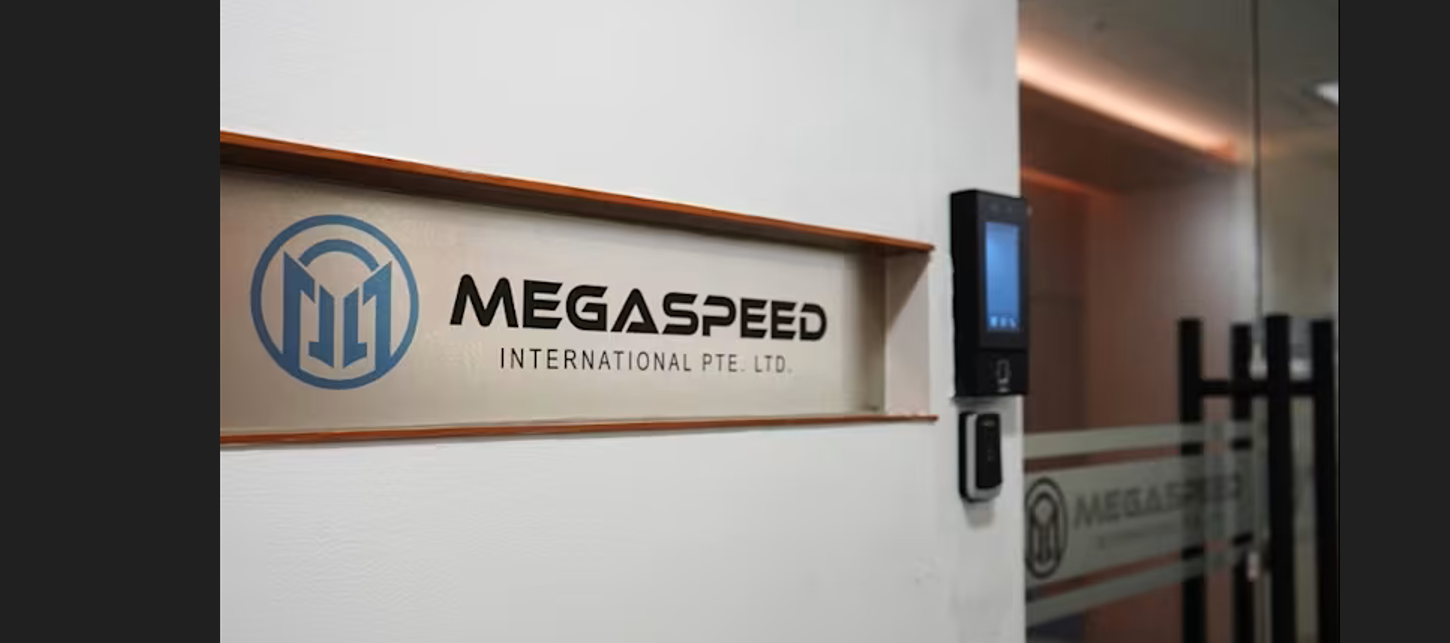
Singapore-based Megaspeed has emerged as a major player in the global AI computing market, but allegations of Nvidia chip smuggling, US export control violations and its reported links to Chinese investors have brought the company under intense scrutiny. The investigation also raises questions about the growing battle between the United States and China over access to advanced artificial intelligence technology.
The global race for artificial intelligence (AI) supremacy is intensifying, and the movement of advanced semiconductor chips has become a major geopolitical concern. At the centre of the latest controversy is Megaspeed, a Singapore-based data centre and AI computing company accused of potentially helping Nvidia's advanced processors reach restricted markets in China.
The company has attracted international attention following reports linking its former executive, Alice H., to Nvidia CEO Jensen Huang. The allegations surrounding their relationship have further increased scrutiny of Megaspeed's business operations, particularly its access to Nvidia's high-performance computing technology.
While the allegations remain under investigation, the case highlights the challenges facing US authorities as they attempt to prevent advanced AI chips from reaching China through international technology supply chains.
What Is Megaspeed and Why Is It Under Investigation?
Megaspeed operates in the rapidly expanding AI infrastructure industry. The Singapore-based company provides data centre services and access to advanced computing resources, including Nvidia graphics processing units (GPUs).
According to its website, as of November 2026, Megaspeed identifies itself as an Nvidia cloud partner and advertises computing services covering Nvidia's entire GPU product portfolio.
The company also claims to provide access to Nvidia's advanced GB200 NVL72 computing systems, which are designed to support demanding AI workloads.
Megaspeed operates under a business model commonly known as a neocloud. Such companies purchase high-performance GPUs and computing infrastructure before renting processing capacity to other businesses.
This model allows organisations to access expensive AI computing resources without having to purchase and maintain their own data centre infrastructure.
Megaspeed reportedly operates across multiple locations in Southeast Asia and serves several technology companies, including major Chinese businesses such as Alibaba.
However, its business model has attracted attention from US investigators because of strict American restrictions on exporting advanced semiconductor technology to China.
US Investigation Raises Questions Over Nvidia Chip Exports
The United States has introduced extensive export controls to limit China's access to its most advanced semiconductor technology. Washington considers advanced AI chips strategically important because they can strengthen China's capabilities in artificial intelligence, military applications and supercomputing.
Although certain computing services can be made available to Chinese businesses through overseas data centres, transferring restricted hardware to prohibited destinations can violate US export regulations.
Megaspeed has reportedly purchased billions of dollars worth of Nvidia products in recent years and has faced allegations that some of these chips may have been diverted to China.
In December 2025, Bloomberg reported that Megaspeed had become Southeast Asia's largest buyer of Nvidia chips. The report also revealed that US authorities were examining the company's ownership structure and investigating whether its hardware was being illegally transferred to China.
Singaporean police also reportedly launched an investigation into whether Megaspeed had violated local laws. The specific allegations under examination were not publicly detailed in the reports.
The US investigation initially began in 2024 under the Department of Commerce before being taken over by the Department of Justice.
According to The New York Times, the change followed direct contact between an Nvidia executive and the Commerce Department regarding the investigation.
Megaspeed Denies Allegations of Illegal Activities
Megaspeed has strongly rejected allegations of wrongdoing.
On December 23, 2025, the company issued a public statement denying that it had illegally transferred Nvidia chips or participated in prohibited activities.
It maintained that its operations complied with applicable export control regulations and that it followed established legal and ethical standards.
The company described itself as a legitimate business and said there was no evidence supporting claims of illegal chip transfers.
The statement continued to appear prominently on its website as of November 2026.
Separately, Nvidia said in December 2025 that its internal investigation had found no evidence that Megaspeed had diverted chips illegally.
Nvidia also stated that Megaspeed was fully owned and operated outside China and had no Chinese shareholders. The company reportedly said it had visited Megaspeed's facilities several times and had not identified suspicious activity.
These statements represent the companies' positions, while the broader investigations and allegations remain separate matters.
Megaspeed's Growth: From a Small Company to a Billion-Dollar Business
Megaspeed's rapid expansion has become another important aspect of the controversy.
The company was established in 2015 under the name 7Road International before adopting the Megaspeed name in March 2023.
Its ownership is linked to Swiftdata, a Singapore-registered company established in October 2023.
One of the most striking developments was the reported increase in its assets. According to available reporting, the company's assets grew from approximately $33 million in 2023 to around $3 billion in 2024.
This dramatic expansion coincided with the growing global demand for advanced AI computing infrastructure and Nvidia's increasingly important position in the semiconductor industry.
The company's access to Nvidia hardware and relationships with major technology customers helped establish its position in the regional AI computing market.
Who Is Alice H. and What Is Her Connection to Nvidia?
Alice H., who has been accused of having links to Chinese intelligence, has become a central figure in reports surrounding Megaspeed.
She previously worked as an executive at the Singapore-based company and served as its managing director for approximately eight months in 2023.
She has also been described in media reports as an influential figure associated with Megaspeed.
The controversy intensified following reports concerning her alleged romantic relationship with Nvidia CEO Jensen Huang.
According to a Financial Times report, Alice H. allegedly used her close access to Huang and Nvidia to promote AI chip-related business opportunities to Chinese investors.
The newspaper reported that in early 2025, she sought investment from China for a Southeast Asian data centre project, highlighting the project's access to Nvidia chips and its business relationship with Alibaba.
These reports have brought additional attention to the relationship between Megaspeed, Nvidia and Chinese technology investors. However, allegations concerning espionage and personal relationships should not be treated as established findings of wrongdoing.
Alibaba's Financial Relationship With Megaspeed
Alibaba has reportedly maintained a significant business relationship with Megaspeed.
According to Financial Times reporting, Alibaba provided financing to Megaspeed through subsidiaries in June 2024.
The Chinese technology giant has also reportedly remained Megaspeed's largest customer.
This relationship has attracted attention because Alibaba is one of China's biggest technology companies and an important participant in the country's AI development ecosystem.
Access to advanced computing infrastructure is particularly valuable for companies developing large language models, cloud computing platforms and other AI applications.
For this reason, Megaspeed's reported business connections with Alibaba have become an important part of the broader investigation into international access to Nvidia technology.
The Global Battle to Control Nvidia's Advanced AI Chips
Megaspeed is not the only company facing scrutiny over the alleged movement of restricted Nvidia processors into China.
Since 2022, the United States has progressively tightened restrictions on advanced semiconductor exports to China. The measures were introduced during the Biden administration as Washington sought to limit Beijing's access to technologies considered strategically important for AI and advanced computing.
Despite these restrictions, reports of illegal chip-smuggling networks and alternative supply channels have continued to emerge.
In December 2025, US authorities shut down the operations of Hao Global, a US-based shell company with alleged links to China. The company reportedly pleaded guilty to smuggling Nvidia chips into China.
In June 2026, Taiwanese authorities also raided offices associated with Super Micro Computer as part of an investigation into the alleged smuggling of Nvidia processors to China.
These developments demonstrate the difficulties of enforcing semiconductor export controls across complex international supply chains.
Trump's Nvidia Chip Policy Adds Another Layer of Complexity
The semiconductor export situation has also evolved under the Trump administration.
Although some restrictions have been eased, significant controls remain in place for Nvidia's most advanced AI processors.
In December 2025, the Trump administration approved certain Chinese companies to purchase or handle advanced Nvidia H200 chips. The decision generated concerns among US national security officials about China's potential access to powerful American AI hardware.
However, regulatory approval has not automatically translated into a significant flow of Nvidia processors into the Chinese market.
Strict licensing requirements, continuing geopolitical tensions and Beijing's reluctance to encourage dependence on American semiconductor technology have limited the potential impact of the policy shift.
China is also investing heavily in developing domestic semiconductor alternatives as it attempts to reduce reliance on US technology suppliers.
What Megaspeed's Case Means for the Future of AI
The investigation involving Megaspeed highlights a growing challenge for the global semiconductor industry: controlling access to advanced AI computing technology in an increasingly interconnected market.
Companies operating international data centres and cloud computing platforms can serve customers across multiple countries. However, this business model also creates complicated questions about hardware ownership, customer access and compliance with export restrictions.
For Nvidia, the controversy comes at a time when demand for its GPUs remains closely tied to the global expansion of AI infrastructure.
For the United States, preventing restricted chips from reaching China remains an important national security priority.
For China, securing access to advanced computing resources is essential to competing in the global AI race.
Megaspeed's future could therefore become an important test case for how governments regulate international AI infrastructure, semiconductor distribution and cloud computing services.
As investigations continue, the central question remains whether existing export control systems can effectively prevent restricted Nvidia technology from reaching prohibited markets while allowing legitimate international AI businesses to operate.